Category Blogs

SonoDAQ Enclosure Coating Hardness Test

In real DAQ use, enclosure durability and scratch resistance directly affect service life and maintenance cost. This article shares a pencil hardness scratch test on the SonoDAQ top cover (PC + carbon fiber) and compares it with a typical laptop…

Panelized PCBA Test for Multi-Product Lines

CRYSOUND’s PCBA testing solution integrates RF and audio performance validation within a 1-to-8 parallel architecture, enabling synchronized electrical, RF, audio, and power testing. This unified platform enhances PCBA test efficiency and adaptability for TWS, smart speakers, and wearables, driving cost-effective,…

Visualized Vacuum Leak Testing for Trains

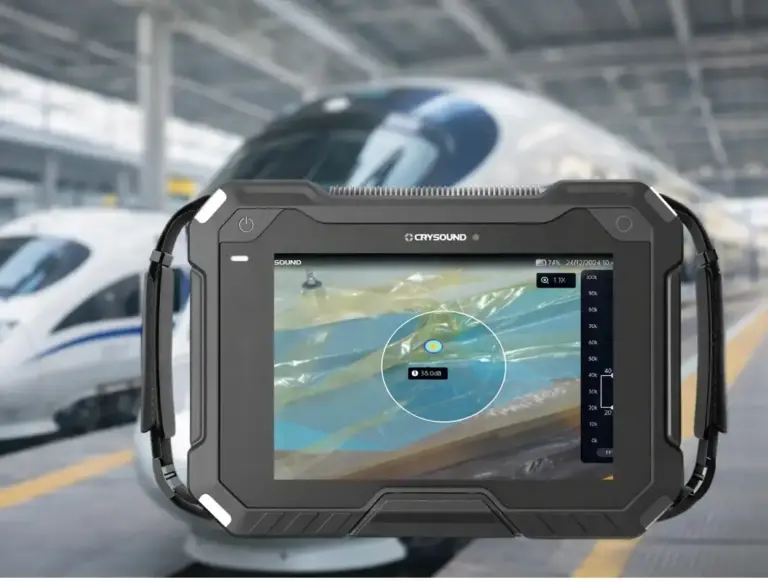
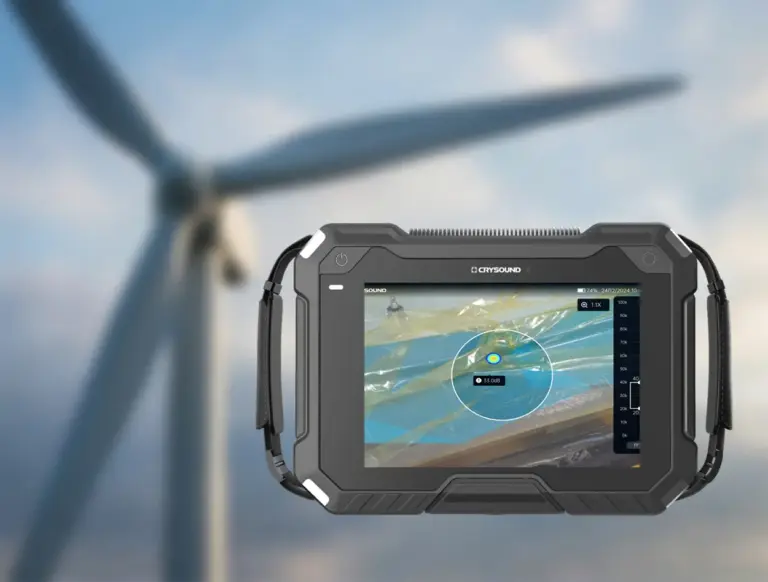
Negative-pressure airtightness is critical for high-speed train car bodies, and even minor leaks can lead to rework or delivery risks. This article presents a case from Changchun where CRYSOUND’s CRY8124 Acoustic Imaging Camera was used to quickly, intuitively, and verifiably…

Optimize Acoustic Test Data: Gain, Range, Quantization

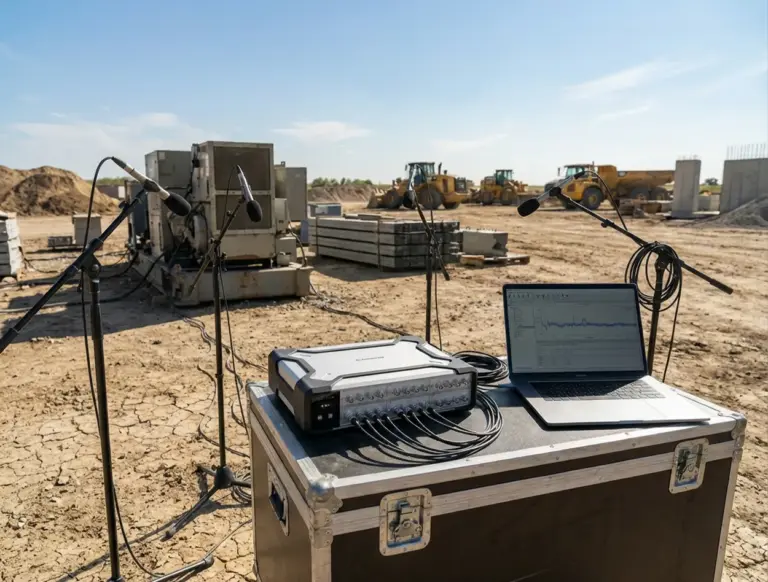
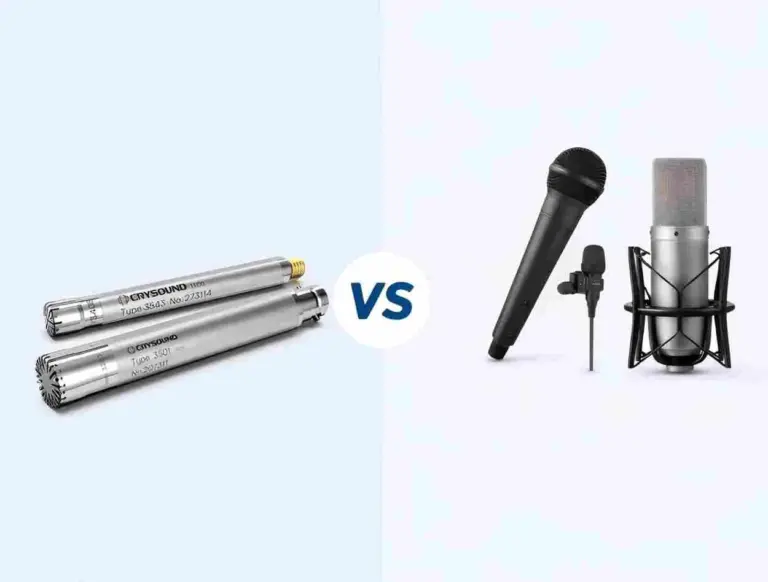
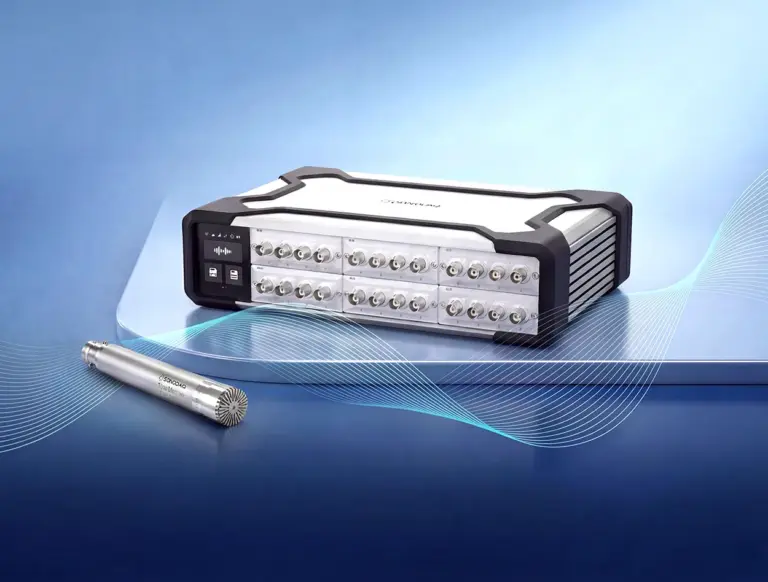
In acoustic testing, sensor calibration, electroacoustics, and NVH, gain, input range, and quantization directly determine the quality of the data you capture. This article explains these three factors from an engineering perspective. Using typical CRYSOUND setups—measurement microphones, preamps, acoustic imaging…

Abnormal Noise Detection: From Human Ears to AI

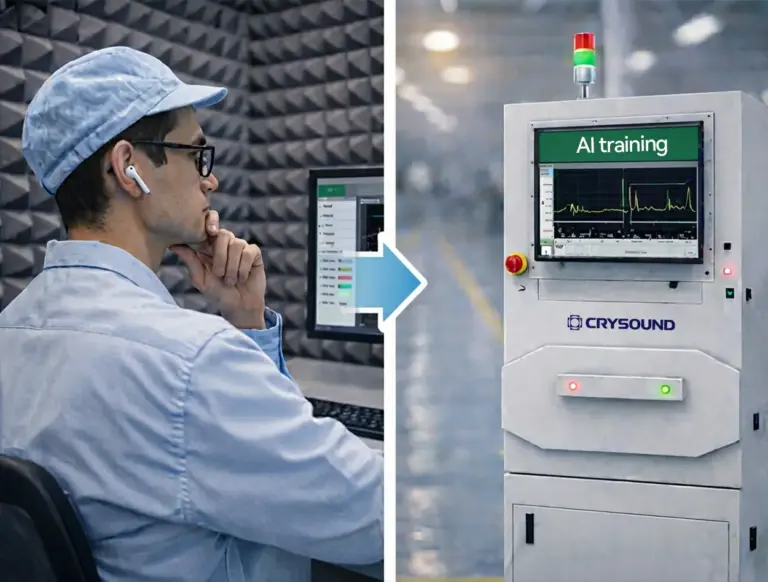
With the rapid growth of consumer audio products such as headphones, loudspeakers and wearables, users’ expectations for “good sound” have moved far beyond simply being able to hear clearly. Now they want sound that is comfortable, clean, and free from…

IMU Test for Spatial Audio

Spatial audio performance can vary significantly across devices—even when similar audio algorithms are used. This article explains the role of the IMU in spatial audio, outlines key IMU testing challenges, and introduces CRYSOUND’s production-ready IMU testing solution based on a…

Advanced Acoustic Impedance Testing Solution for Materials

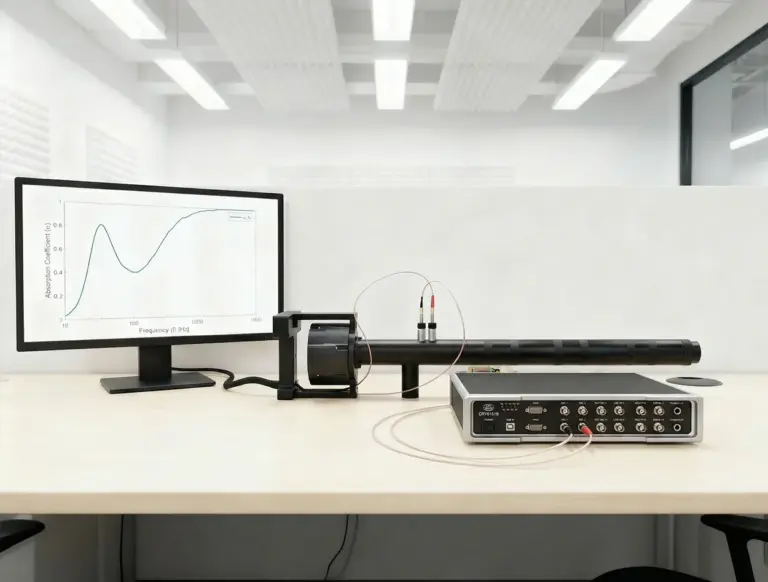
In acoustic design and noise control, a material’s acoustic impedance characteristics are a key factor in determining “how it sounds.” By measuring parameters such as the absorption coefficient, reflection coefficient, specific acoustic impedance, and acoustic admittance, we can not only…

Sound Calibrator Explains Measurement Microphone Calibration

In day-to-day acoustic measurements, it’s common to hear: “Insert the measurement microphone into the calibrator, press the button, and the microphone is calibrated.” From an engineering and metrology perspective, that wording is an oversimplification. To place a sound calibrator correctly…

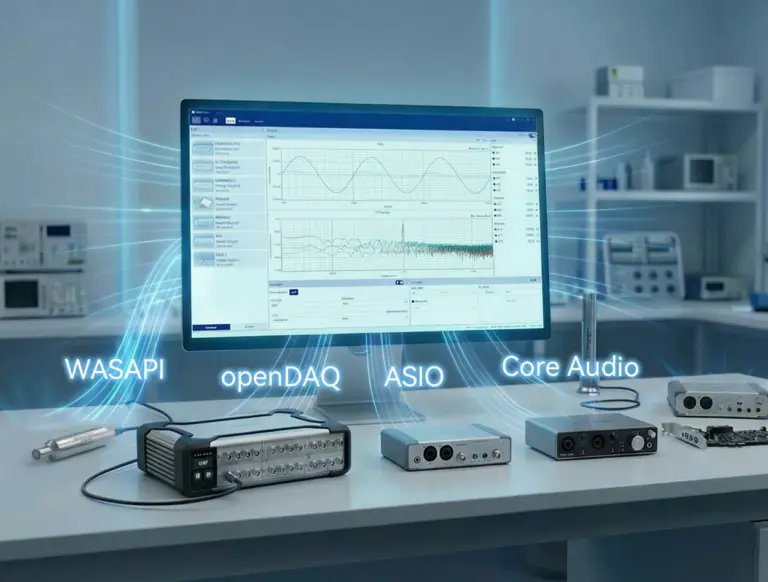
Connect Multiple DAQs and Audio Interfaces in OpenTest

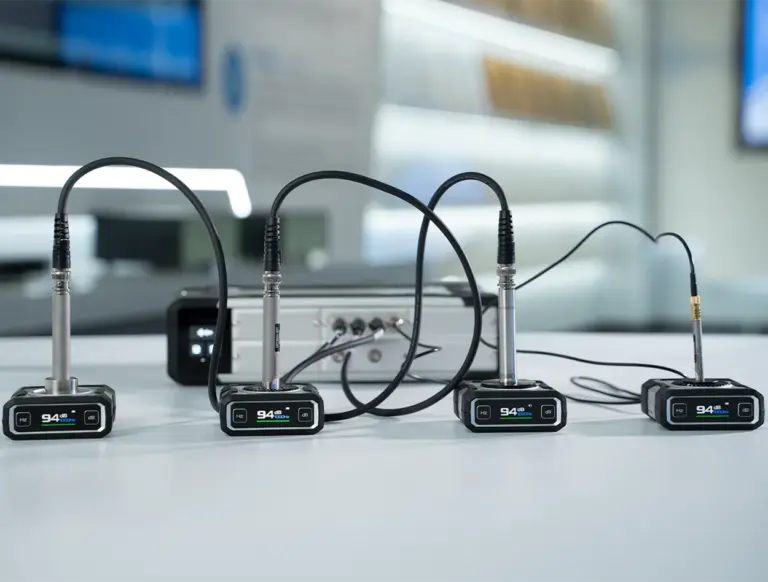
In industrial testing, research, and quality validation, data acquisition devices (DAQs / audio interfaces / measurement microphone front-ends) are the “front door” of the entire system. As technology and applications become more specialized, a wide variety of DAQ devices has…